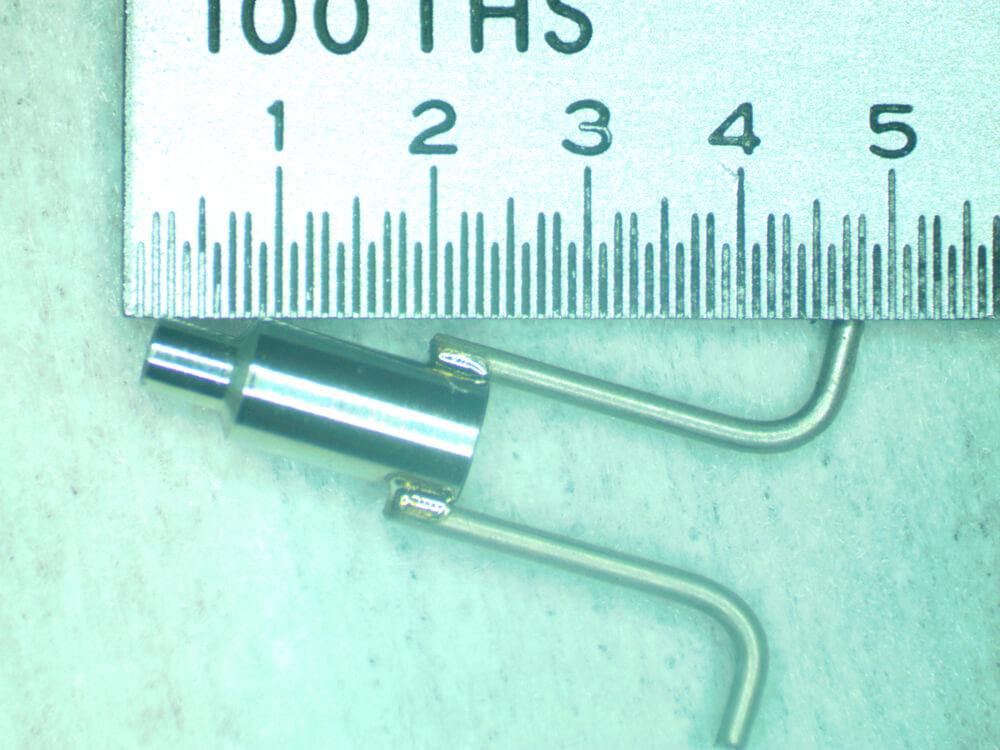
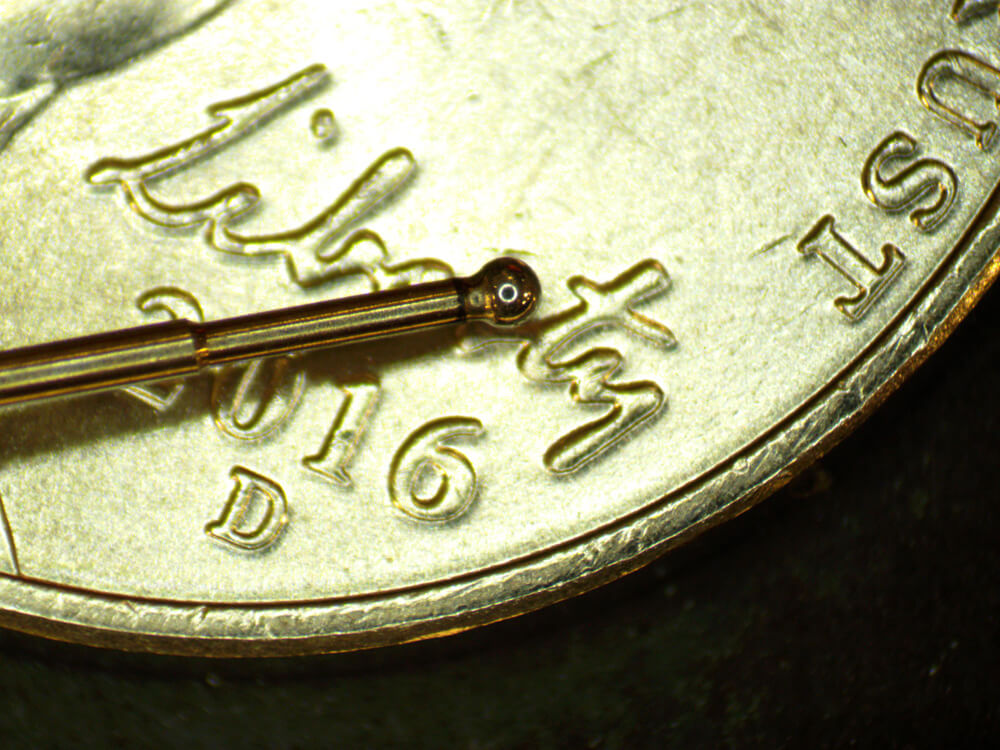
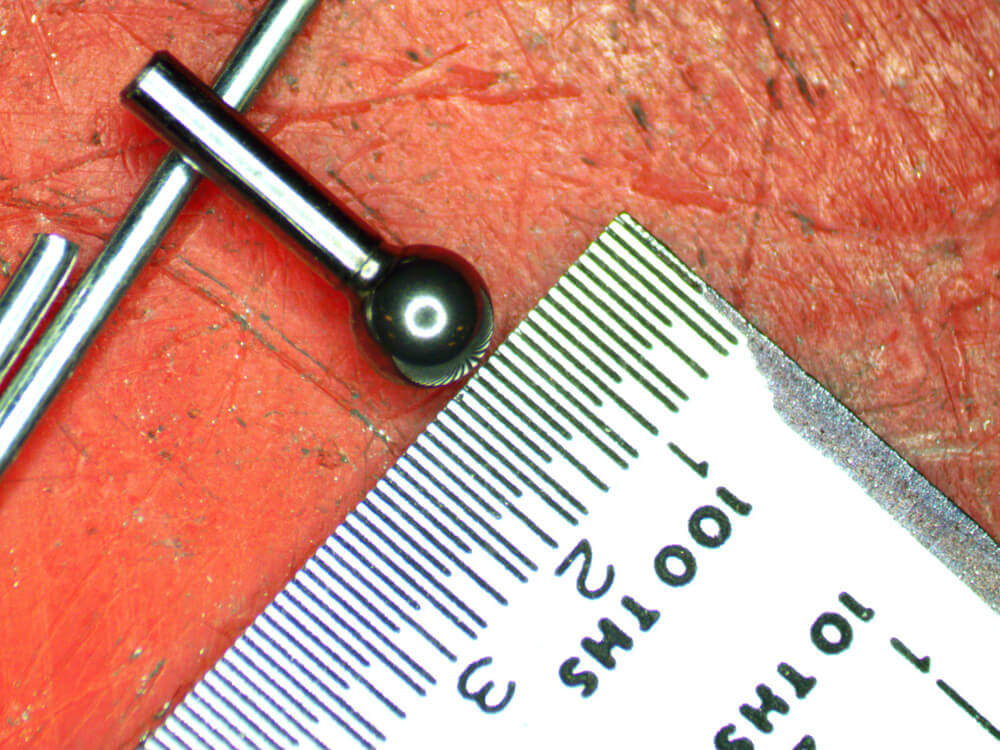
Laser welding is a precision process which results in very little workpiece deformation due to a low heat-effected zone (HAZ) compared to traditional welding methods. The HAZ is smaller by focusing the beam in a very small area and moving it as early as possible, thus no unnecessary heat input.
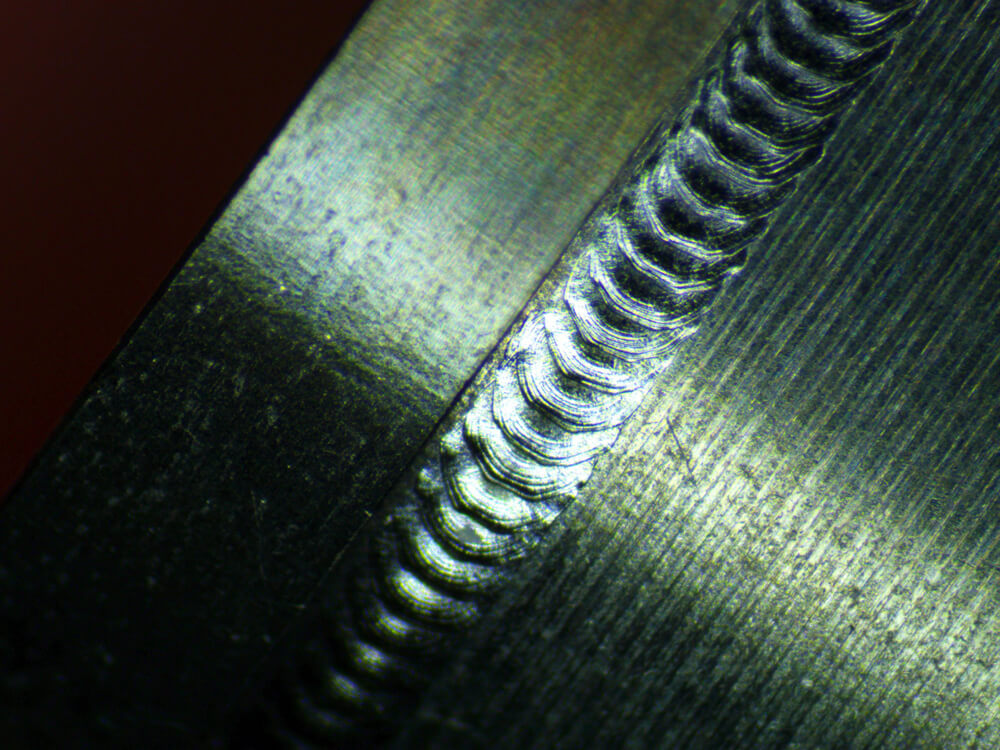
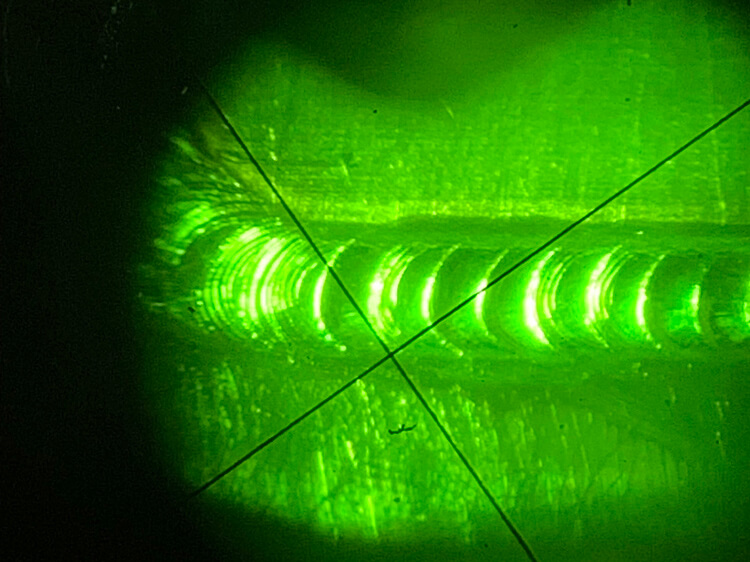
It uses a high-energy laser beam to fuse metals together, creating a strong metallurgical bond. As the energy from the laser beam is absorbed by the material surface, the heat causes the surface to melt forming a molten pool that re-solidifies in a few milliseconds.
Think of laser welding like a magnifying glass and the sun. If you focus enough energy on a metal surface you can melt it- and even vaporize it in some cases.
Laser welding can be used on any material that can be melted and re-solidify, not only metals like aluminum, stainless steel, copper, titanium, hastelloy and others, but a variety of materials such as certain composites, glass and thermoplastics.
Advantages
A lot of people have misnomers about the abilities of industrial lasers and what is practical for their use. The main types of lasers used for welding are Nd:YAG (solid state), fiber lasers, diode lasers, and CO2 gas lasers. For example, Diode lasers use semiconductor materials as their gain medium, while solid-state lasers use solid materials like crystals. Solid-state lasers generally offer better beam quality, whereas diode lasers are typically more energy-efficient.
Some key advantages to laser welding and cutting regardless of the type or delivery:
Other considerations
“Designers for laser welding pay close attention to material selection, laser type, and joint design to assure repeatable, high-quality welds.” (William Furrow)